 Case Study
True Local: Validating a New Way to Experience Travel
The initial concept was a two-sided marketplace designed to connect travelers with local hosts for authentic local experiences. To reduce product risk before development, I led a validation process that combined business modeling, customer discovery, market testing, and rapid prototyping. The findings refined the product strategy, resulted in a pivot toward a more differentiated concept, and identified a critical monetization risk early in the product lifecycle.
True Local: Validating a New Way to Experience Travel
The initial concept was a two-sided marketplace designed to connect travelers with local hosts for authentic local experiences. To reduce product risk before development, I led a validation process that combined business modeling, customer discovery, market testing, and rapid prototyping. The findings refined the product strategy, resulted in a pivot toward a more differentiated concept, and identified a critical monetization risk early in the product lifecycle.
Product Vision
The original vision was to create a two-sided marketplace connecting travelers with local hosts to create authentic, personalized travel experiences. The platform aimed to help travelers discover local culture through meaningful interactions while enabling hosts to share their knowledge, interests, and communities with visitors.
Business Model
Defined the Business Model
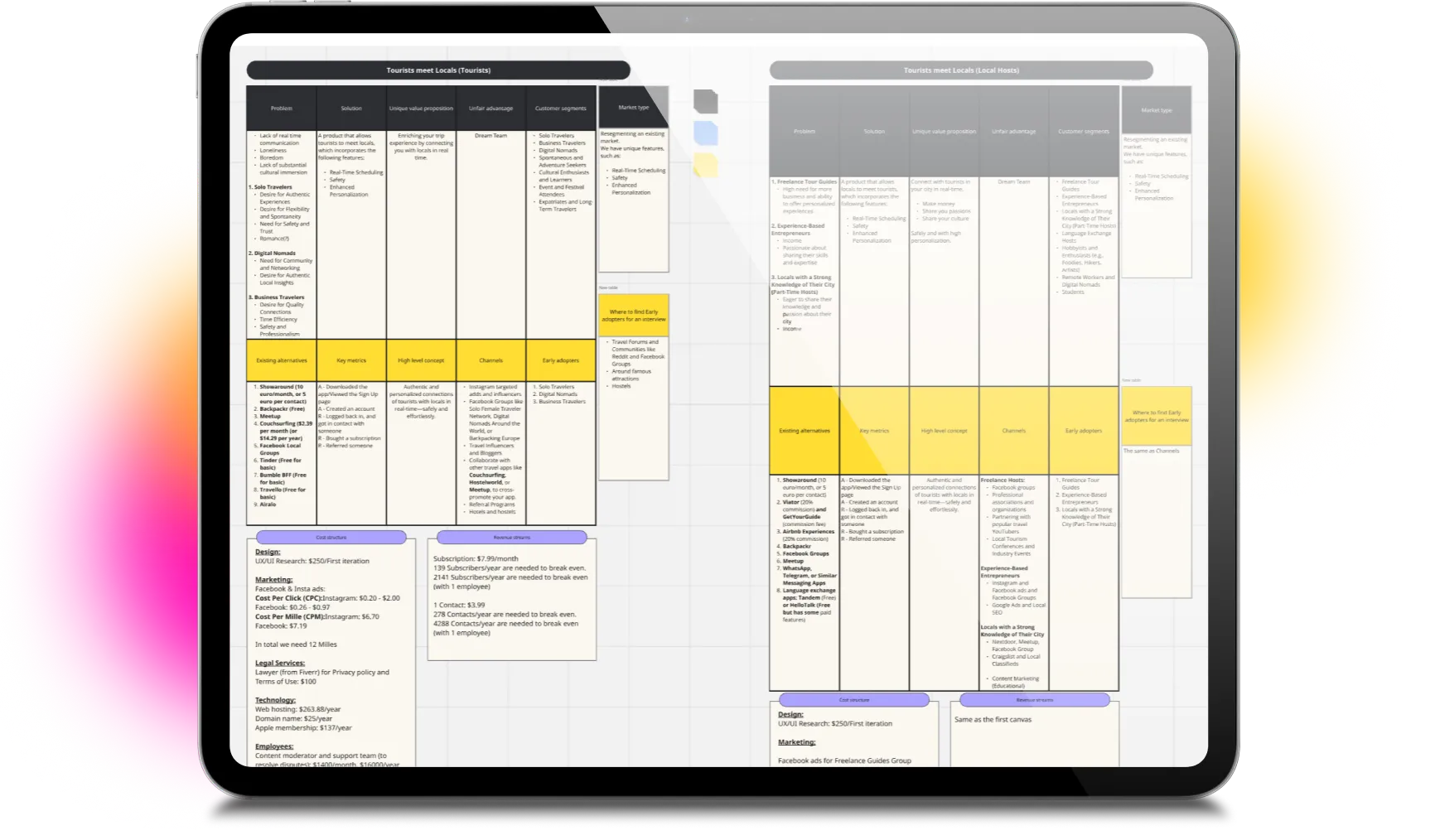
Developed an initial business model for a two-sided marketplace connecting two key user groups:
Mapped the core value propositions, customer segments, acquisition channels, and revenue assumptions to establish the foundation for market validation.
Defined the Business Model
Developed an initial business model for a two-sided marketplace connecting two key user groups:
Mapped the core value propositions, customer segments, acquisition channels, and revenue assumptions to establish the foundation for market validation.
Market Interest


Testing Market Interest
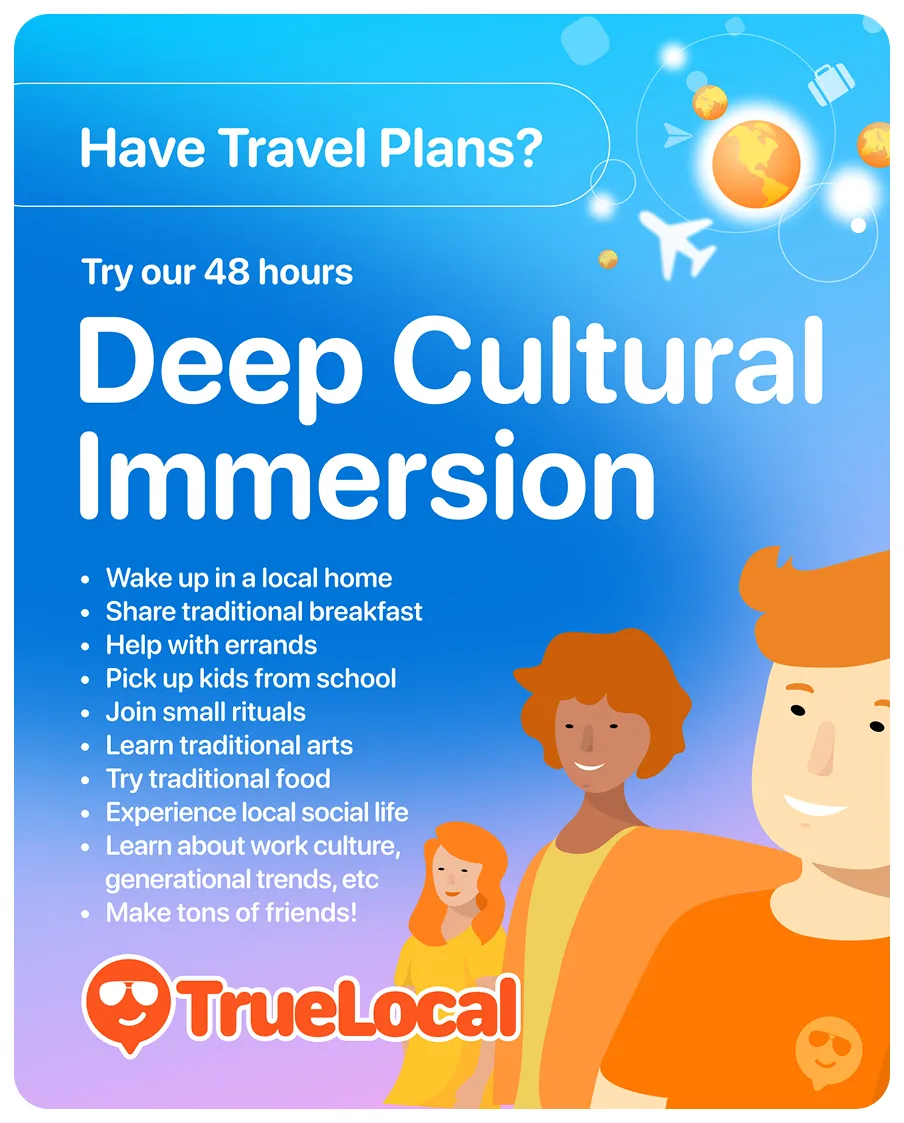
Launched targeted social media advertising campaigns to validate market interest and identify potential customer segments. The ads directed interested users to a survey, providing an additional layer of validation while recruiting research participants. The campaign achieved a 5% click-through rate, demonstrating strong initial interest in the concept. More importantly, the results identified women aged 60+ as the audience most likely to engage with the product, helping refine the target market and informing subsequent customer interviews. The campaign also generated a research participant who contributed to the discovery phase.
Testing Market Interest
Launched targeted social media advertising campaigns to validate market interest and identify potential customer segments. The ads directed interested users to a survey, providing an additional layer of validation while recruiting research participants. The campaign achieved a 5% click-through rate, demonstrating strong initial interest in the concept. More importantly, the results identified women aged 60+ as the audience most likely to engage with the product, helping refine the target market and informing subsequent customer interviews. The campaign also generated a research participant who contributed to the discovery phase.
Competition
What Users Think Competitors Do Well
1. Airbnb Experiences
2. Withlocals
3. Bumble BFF
Where Users Think Competitors Fall Short
1. Airbnb Experiences
2. Withlocals
3. Bumble BFF
What Users Think Competitors Do Well
1. Airbnb Experiences
2. Withlocals
3. Bumble BFF
Where Users Think Competitors Fall Short
1. Airbnb Experiences
2. Withlocals
3. Bumble BFF
Research
7
Customer Interviews Conducted
1
Survey Study Completed
To validate the opportunity, I conducted a customer discovery phase combining 7 exploratory interviews with quantitative survey research. The goal was to understand travelers' motivations, desired experiences, pain points with existing travel products, and willingness to pay.
The interviews explored travelers' planning process, experiences connecting with locals, and the emotional motivations behind those interactions. Survey research complemented these insights by validating patterns across a broader audience.
Questions asked:
-
→This gives me an understanding of the traveller's recent context, priorities, behaviours, and experiences without leading them toward the topic of meeting locals.
-
→This helps me identify the different stages of the travel journey and discover when, where, and how opportunities or problems related to connecting with locals arise.
-
→This reveals whether the desire to meet locals actually exists and, more importantly, the underlying motivations and needs behind that desire.
-
→This uncovers the methods travellers currently use, the problems they experience, and the unmet needs that existing solutions fail to address.
-
→This helps me understand existing alternatives, what travellers value in them, and the specific weaknesses or frustrations that could create an opportunity for a new solution.
-
→This identifies the specific contexts, moments, and circumstances in which connecting with locals is most valuable or desirable to travellers.
-
→This reveals travellers' expectations, desired outcomes, preferences, and the characteristics they associate with a meaningful local experience.
-
→This tests whether the traveller's interest is strong enough to translate into a real commitment, helping validate both demand for the experience and their willingness to pay for it.
7
Customer Interviews Conducted
1
Survey Study Completed
To validate the opportunity, I conducted a customer discovery phase combining 7 exploratory interviews with quantitative survey research. The goal was to understand travelers' motivations, desired experiences, pain points with existing travel products, and willingness to pay.
The interviews explored travelers' planning process, experiences connecting with locals, and the emotional motivations behind those interactions. Survey research complemented these insights by validating patterns across a broader audience.
Questions asked:
-
→This gives me an understanding of the traveller's recent context, priorities, behaviours, and experiences without leading them toward the topic of meeting locals.
-
→This helps me identify the different stages of the travel journey and discover when, where, and how opportunities or problems related to connecting with locals arise.
-
→This reveals whether the desire to meet locals actually exists and, more importantly, the underlying motivations and needs behind that desire.
-
→This uncovers the methods travellers currently use, the problems they experience, and the unmet needs that existing solutions fail to address.
-
→This helps me understand existing alternatives, what travellers value in them, and the specific weaknesses or frustrations that could create an opportunity for a new solution.
-
→This identifies the specific contexts, moments, and circumstances in which connecting with locals is most valuable or desirable to travellers.
-
→This reveals travellers' expectations, desired outcomes, preferences, and the characteristics they associate with a meaningful local experience.
-
→This tests whether the traveller's interest is strong enough to translate into a real commitment, helping validate both demand for the experience and their willingness to pay for it.
Pivot Point

The Pivot: From Meeting Locals to Living Like a Local
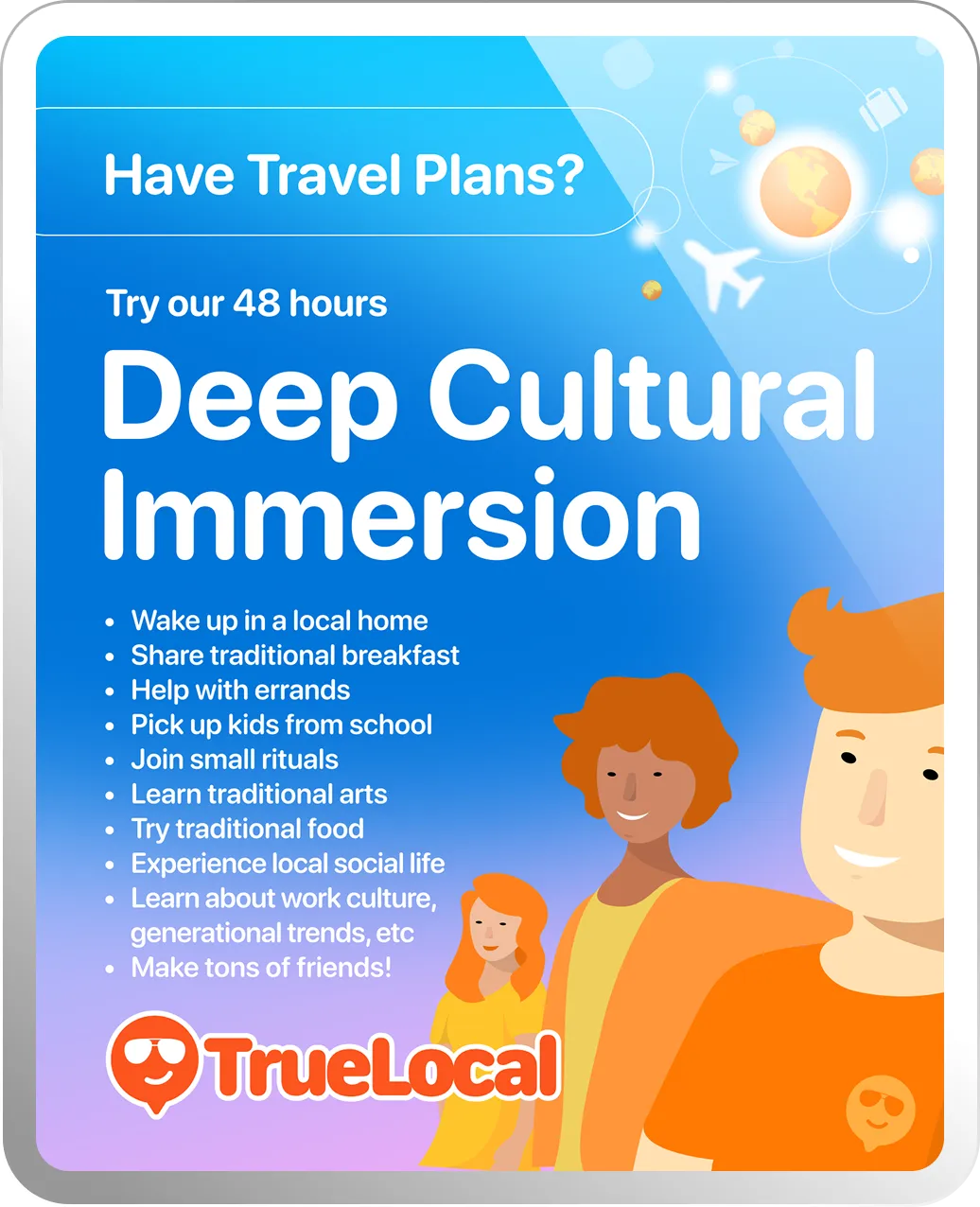
Research and competitive analysis revealed that travelers were less interested in simply meeting locals and more interested in experiencing authentic local culture. Based on this insight, we pivoted the concept to "48 Hours of Deep Local Immersion," creating a clearer value proposition that differentiated the product from existing travel and meetup platforms by focusing on helping travelers experience life just like a local.
The Pivot: From Meeting Locals to Living Like a Local
Research and competitive analysis revealed that travelers were less interested in simply meeting locals and more interested in experiencing authentic local culture. Based on this insight, we pivoted the concept to "48 Hours of Deep Local Immersion," creating a clearer value proposition that differentiated the product from existing travel and meetup platforms by focusing on helping travelers experience life just like a local.
Prototype

Designed a Prototype in Parallel
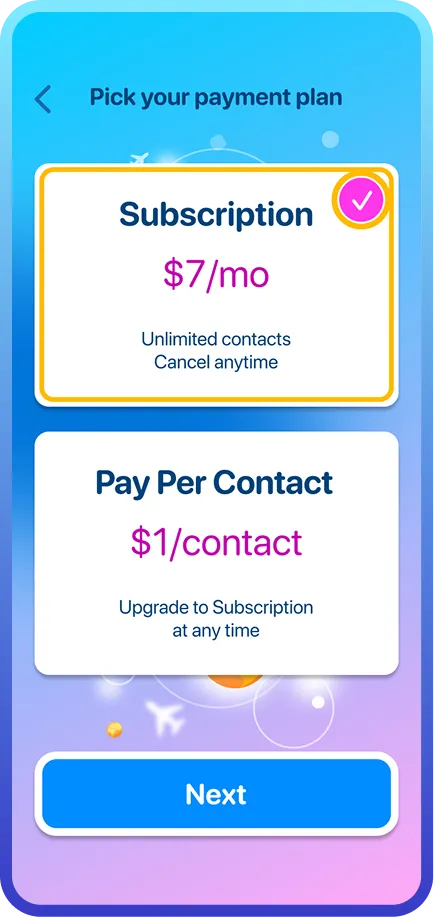
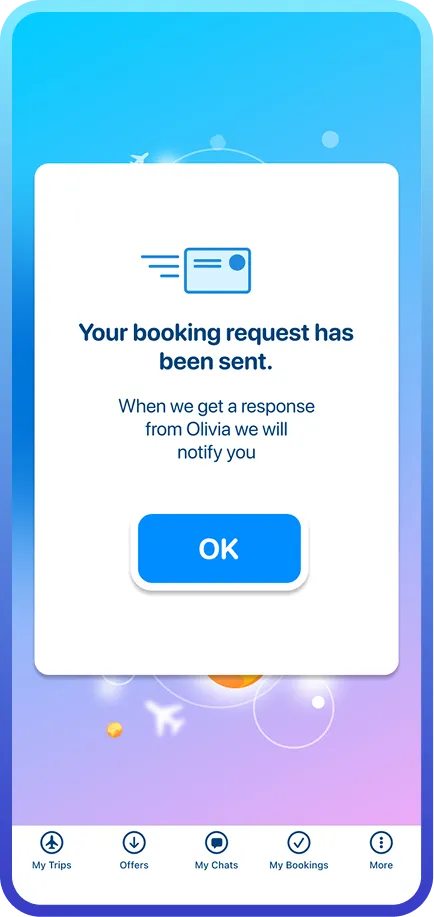
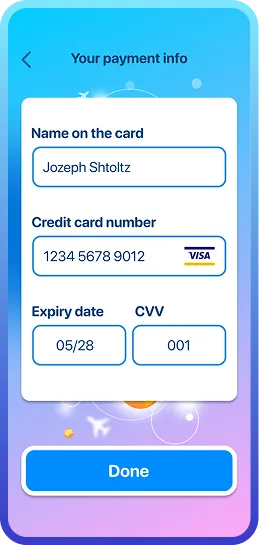
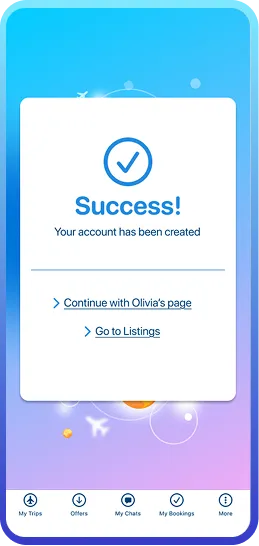
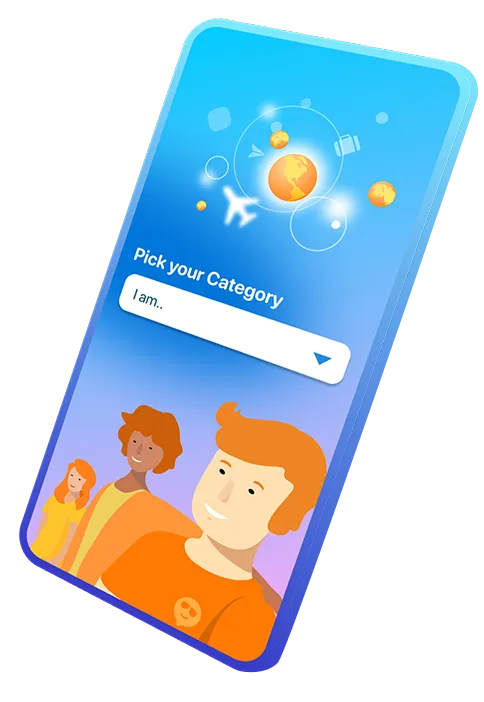
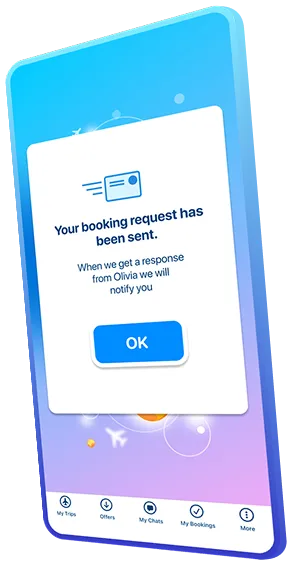
Although customer discovery was still in progress, the development team wanted to begin building the product without waiting for the research to conclude. To support this, I designed an early prototype in parallel that helped visualize the concept, align the team around a shared vision, and accelerate development. From the beginning, the prototype was treated as a hypothesis rather than a final solution, with the expectation that it would evolve as research findings validated assumptions and uncovered new insights.
Designed a Prototype in Parallel
Although customer discovery was still in progress, the development team wanted to begin building the product without waiting for the research to conclude. To support this, I designed an early prototype in parallel that helped visualize the concept, align the team around a shared vision, and accelerate development. From the beginning, the prototype was treated as a hypothesis rather than a final solution, with the expectation that it would evolve as research findings validated assumptions and uncovered new insights.
Validation
Validating Product-Market Fit
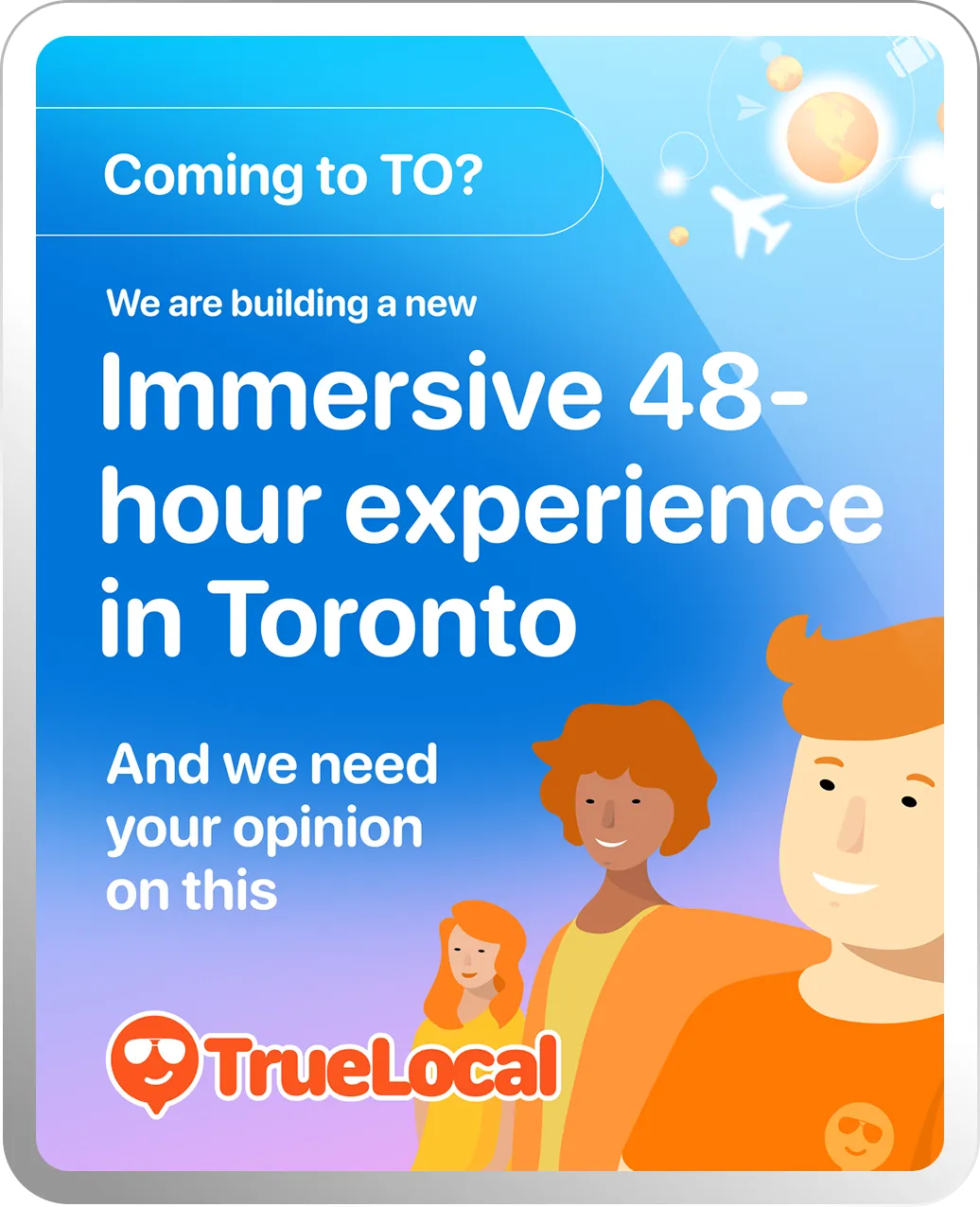
After identifying the pivot, I conducted a second round of research to validate the new concept. This phase included three user interviews, targeted social media ads, and a follow-up survey to test whether travelers resonated with the idea of 48 Hours of Deep Local Immersion. The research also served as an early market validation exercise, helping identify potential early adopters and first paying customers while refining the product's value proposition.
Validating Product-Market Fit
After identifying the pivot, I conducted a second round of research to validate the new concept. This phase included three user interviews, targeted social media ads, and a follow-up survey to test whether travelers resonated with the idea of 48 Hours of Deep Local Immersion. The research also served as an early market validation exercise, helping identify potential early adopters and first paying customers while refining the product's value proposition.
The Result


 Email Me
 416.931.7752
 Book a Call